How to Change an Oxygen Sensor: A Comprehensive Guide (2025)
The oxygen sensor (O2 sensor) is one of the most important components in modern engines. It monitors the amount of oxygen in the exhaust gases and helps the ECU maintain the perfect air–fuel ratio.
A bad O2 sensor can cause:
-
Poor mileage
-
Rough idling
-
Loss of power
-
Check engine light
-
High emissions
-
Engine hesitation
The good news?
Replacing an oxygen sensor is a simple DIY job if you have the right tools and follow the proper steps.
This guide covers how O2 sensors work, symptoms of failure, tools needed, step-by-step replacement, safety tips, and wiring notes.
1. What Does an Oxygen Sensor Do?
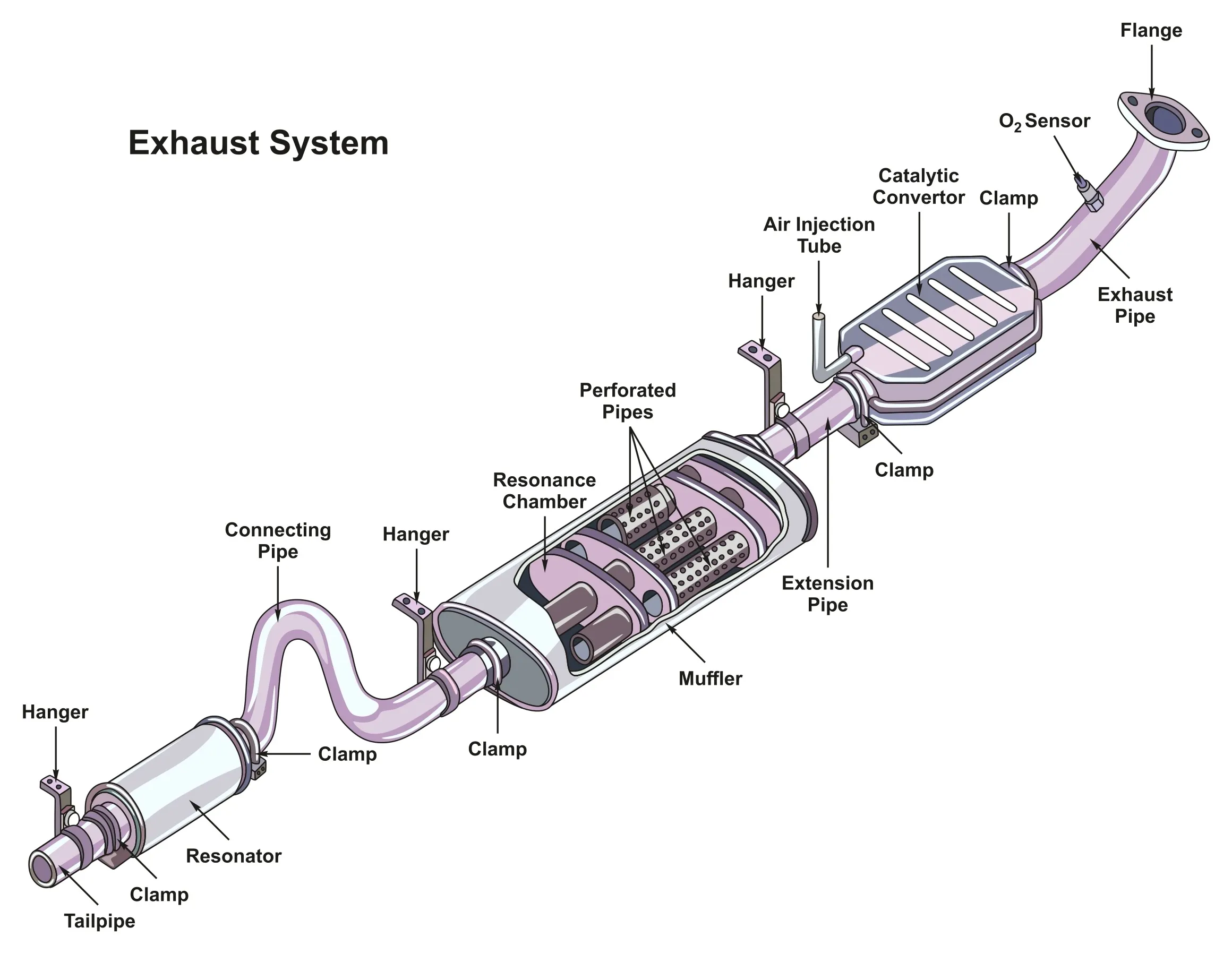
The oxygen sensor sits in the exhaust system, usually before and after the catalytic converter.
Its job is to:
-
Measure oxygen levels in exhaust
-
Send voltage signals to ECU
-
Help ECU adjust fuel injection
-
Maintain correct combustion
-
Reduce emissions
A faulty O2 sensor sends incorrect signals, causing poor engine performance.
2. Symptoms of a Failing Oxygen Sensor
Common signs include:
⚠ Check engine light (codes P0130–P0167)
⚠ Drop in fuel efficiency
⚠ Rough idle or stalling
⚠ Black smoke or strong fuel smell
⚠ Poor acceleration
⚠ Engine hesitates during throttle
⚠ Failed emission test
If any of these appear, it’s time to inspect and replace the O2 sensor.
3. Tools You Need to Change an Oxygen Sensor
✔ Oxygen sensor socket or 22mm wrench
✔ Ratchet and extension
✔ Penetrating oil (WD-40 type)
✔ Jack + jack stands (if needed)
✔ Gloves & safety glasses
✔ Multimeter (optional for testing)
4. How to Locate the Oxygen Sensor
Most cars have 2–4 O2 sensors:
1️⃣ Upstream Sensor (Sensor 1)
Located before the catalytic converter → controls air-fuel mixture.
2️⃣ Downstream Sensor (Sensor 2)
Located after the catalytic converter → monitors catalytic efficiency.
Your check engine code will tell you exactly which sensor to replace.
5. Step-by-Step Guide: How to Change an Oxygen Sensor
Step 1: Let the Engine Cool Down
Oxygen sensors sit in the exhaust — which gets extremely hot.
Always work on a cold engine.
Step 2: Spray Penetrating Oil
Spray the sensor threads with penetrating oil.
✔ Loosens rust
✔ Prevents thread damage
✔ Makes removal easier
Wait at least 5–10 minutes.
Step 3: Disconnect the Electrical Connector
Press the locking tab and gently unplug the sensor connector.
If the connector is damaged, replace it — many mechanics use high-quality connectors from WirestoneAuto.com for O2 sensor wiring repairs.
Step 4: Remove the Old Sensor
Use an O2 sensor socket or wrench and rotate counter-clockwise.
If it’s stuck:
Avoid twisting the wires.
Step 5: Compare Old and New Sensor
✔ Same thread size
✔ Same connector type
✔ Same wire length
✔ Same mounting position
Step 6: Apply Anti-Seize (If Required)
Most new sensors come with anti-seize pre-applied.
If not:
✔ Apply a small amount on threads
❌ Avoid getting any on sensor tip
Step 7: Install the New Oxygen Sensor
Thread it by hand to avoid cross-threading.
Tighten securely using the sensor socket — but don’t overtighten.
Step 8: Reconnect the Wiring Harness
Make sure:
-
Connector is fully locked
-
Wires aren't touching hot exhaust
-
Harness routing matches original
If wires are burnt or brittle, replace them immediately.
Step 9: Clear the Check Engine Light
Use an OBD-II scanner to clear fault codes.
If the light returns:
-
Faulty wiring
-
Wrong sensor
-
Other engine issues
6. Oxygen Sensor Replacement Safety Tips
✔ Use jack stands — never rely on the jack alone
✔ Never touch the hot exhaust
✔ Wear gloves to avoid burns & chemicals
✔ Keep wiring away from exhaust pipes
✔ Disconnect battery if wires are damaged
7. Testing an O2 Sensor (Optional)
Using a multimeter or OBD scanner, you can check:
Upstream Sensor Voltage:
0.1V–0.9V oscillating rapidly
Downstream Sensor Voltage:
Steady around 0.45V
If readings are slow or stuck → sensor is failing.
8. When Should You Replace an Oxygen Sensor?
✔ After 1,00,000 km (recommended)
✔ When mileage drops suddenly
✔ When you smell rich exhaust
✔ When check engine light shows O2 sensor codes
✔ During catalytic converter replacement
9. Wiring Matters: Many O2 Sensor Issues Are Electrical
Common wiring-related faults:
Even a brand-new sensor won’t work if wiring is faulty.
This is why mechanics often use WirestoneAuto.com connectors and harness pins for reliable O2 sensor repairs.
Final Thoughts
Replacing an oxygen sensor is one of the easiest DIY jobs that can greatly improve your car’s:
✔ Fuel economy
✔ Throttle response
✔ Engine smoothness
✔ Emission levels
By following this guide, you can safely remove the old sensor, install a new one, and restore proper engine performance.
Quick Summary:
✔ Identify the faulty sensor
✔ Allow engine to cool
✔ Use O2 sensor socket
✔ Unplug wiring, remove sensor
✔ Install new sensor
✔ Clear error codes
✔ Check wiring for damage
A healthy O2 sensor = a healthier engine.